

Exploring the Latest Trends in Industrial Nozzles and Dust Suppression Systems
In the realm of industrial operations, where efficiency, safety, and environmental sustainability are paramount, the technology surrounding industrial nozzles and dust suppression systems continues to evolve at a rapid pace. As industries strive to minimize environmental impact, enhance worker safety, and optimize production processes, they are increasingly turning to innovative solutions in nozzle design and dust suppression techniques. Let’s delve into some of the latest trends shaping this dynamic field.
1. Advancements in Nozzle Design:
Recent years have witnessed significant advancements in nozzle design, driven by a growing emphasis on precision, efficiency, and versatility. Manufacturers are leveraging cutting-edge materials and engineering techniques to develop nozzles capable of delivering precise droplet sizes and spray patterns tailored to specific industrial applications. Micro- and nano-scale nozzles are gaining traction, enabling finer control over spray characteristics, and reducing waste in processes such as coating, cleaning, and cooling.
Furthermore, the integration of computational fluid dynamics (CFD) and additive manufacturing technologies has revolutionized nozzle optimization, allowing for rapid prototyping and customization to meet the unique requirements of diverse industrial settings. The result is a new generation of nozzles that offer improved performance, durability, and adaptability, paving the way for enhanced productivity and resource efficiency across industries.
2. Dust Suppression Systems for Enhanced Environmental Compliance:
In industries where dust generation poses significant health and environmental risks, the demand for effective dust suppression systems is on the rise. From mining and construction to manufacturing and agriculture, controlling airborne dust particles is essential for maintaining regulatory compliance, safeguarding worker health, and mitigating environmental impact.
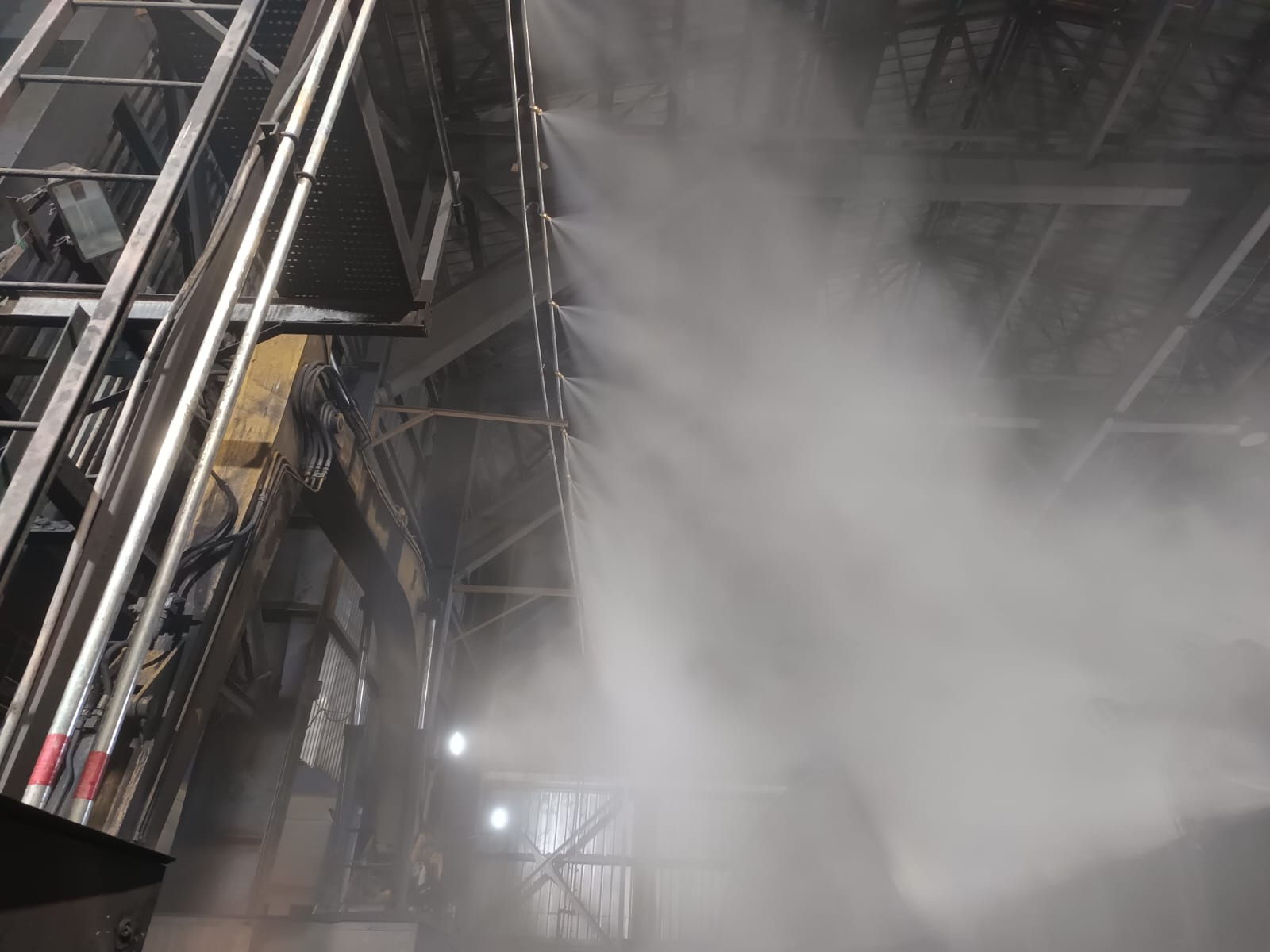
Recent trends in dust suppression systems focus on holistic approaches that combine mechanical, chemical, and technological solutions for optimal dust control. High-pressure misting systems equipped with specialized dust suppression nozzles are increasingly being deployed to efficiently capture and suppress airborne dust particles at the source. These systems utilize atomized water droplets to agglomerate and weigh down dust particles, preventing their dispersion into the surrounding environment.
Moreover, advancements in sensor technology and automation have enabled the development of smart dust suppression systems capable of real-time monitoring and adjustment based on environmental conditions and dust concentration levels. By leveraging data-driven insights, operators can fine-tune dust suppression strategies for maximum effectiveness while minimizing water usage and operational costs.
3. Sustainability and Energy Efficiency:
As sustainability becomes a central focus for industries worldwide, the adoption of eco-friendly nozzle technologies and dust suppression systems is gaining momentum. Manufacturers are increasingly prioritizing the use of recycled materials, biodegradable lubricants, and energy-efficient components in nozzle production, reducing environmental footprint, and promoting circular economy principles.
Furthermore, the integration of energy-saving features such as variable flow control and optimized nozzle configurations enables more efficient use of resources in dust suppression applications. By minimizing water and energy consumption without compromising performance, these eco-conscious solutions help industries achieve their sustainability goals while maximizing operational efficiency and cost savings.
4. Integration of IoT and AI Technologies:
The convergence of Internet of Things (IoT) and Artificial Intelligence (AI) technologies is revolutionizing the landscape of industrial nozzle systems and dust suppression equipment. IoT-enabled sensors embedded in nozzle assemblies and dust suppression units collect real-time data on operating conditions, fluid dynamics, and environmental parameters.
This data is then analysed using AI algorithms to identify patterns, predict maintenance needs, and optimize system performance for enhanced reliability and efficiency. Remote monitoring and control capabilities allow operators to remotely adjust nozzle settings, monitor dust levels, and respond promptly to changing conditions, thereby improving operational agility, and reducing downtime.
In conclusion, the latest trends in industrial nozzles and dust suppression systems reflect a concerted effort to harness innovation in pursuit of safer, more sustainable industrial practices. By embracing advancements in nozzle design, dust suppression technologies, sustainability, and digitalization, industries can enhance productivity, reduce environmental impact, and ensure the well-being of workers and surrounding communities. As we continue to push the boundaries of technological innovation, the future holds immense promise for further advancements in this critical field.
