

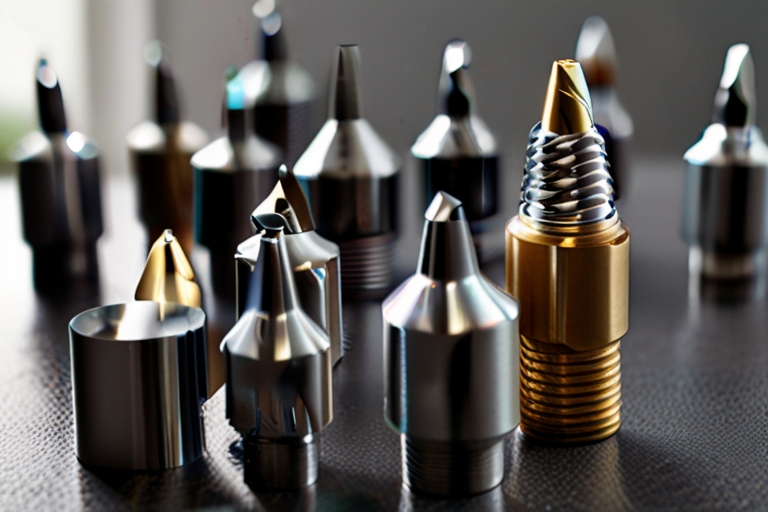
Industrial Nozzles: A Vital Tool in Cooling the Environment and Combating Global Warming
In the face of escalating global warming, humanity finds itself in a race against time to mitigate its effects and restore balance to the planet. While large-scale efforts such as renewable energy adoption and reforestation programs have gained significant attention, there exists a less recognized yet equally crucial ally in the fight against climate change: industrial nozzles.
Industrial nozzles, often overshadowed by their more glamorous counterparts in manufacturing processes, play a pivotal role in cooling the environment and curbing the impacts of global warming. These seemingly mundane devices serve as frontline soldiers in a battle to reduce greenhouse gas emissions and enhance energy efficiency across various industrial sectors.
One of the primary functions of industrial nozzles lies in their ability to facilitate efficient cooling systems. In industrial settings, machinery and equipment generate substantial heat during operation, contributing to both local and global temperature increases. By deploying specialized cooling nozzles, companies can effectively dissipate this excess heat, preventing equipment overheating and minimizing energy consumption. This not only prolongs the lifespan of machinery but also reduces the reliance on energy-intensive cooling methods, thereby lowering carbon emissions.
Furthermore, industrial processes often produce vast amounts of waste heat that can be harnessed for beneficial purposes through innovative cooling techniques. By strategically positioning nozzles within industrial facilities, waste heat can be captured and utilized for district heating, agricultural applications, or even electricity generation through combined heat and power systems. By maximizing the efficiency of heat recovery processes, industrial nozzles enable companies to reduce their carbon footprint while simultaneously generating additional value from otherwise wasted energy.
Additionally, industrial nozzles play a crucial role in the implementation of advanced industrial processes aimed at mitigating global warming. For instance, in carbon capture and storage (CCS) systems, specialized nozzles are employed to facilitate the injection of captured carbon dioxide (CO2) into geological formations for long-term sequestration. By securely sealing injection wells and optimizing CO2 dispersion, these nozzles ensure the safe and effective storage of greenhouse gases, thereby preventing their release into the atmosphere.
Moreover, industrial nozzles contribute to the development of sustainable agricultural practices, which are essential for mitigating climate change. In agricultural irrigation systems, precision spray nozzles enable targeted and efficient water distribution, reducing water waste and minimizing energy consumption associated with pumping. Furthermore, by incorporating fertilization and pesticide application functionalities, these nozzles facilitate the adoption of integrated pest management practices, leading to reduced chemical usage and environmental contamination.
The importance of industrial nozzles in cooling the environment and combating global warming cannot be overstated. As the world continues to grapple with the consequences of climate change, it is imperative that we harness the full potential of these unassuming yet indispensable devices. By investing in research and development efforts aimed at enhancing nozzle efficiency and versatility, as well as promoting their widespread adoption across industries, we can leverage this technology to drive meaningful progress towards a more sustainable future.
In conclusion, industrial nozzles represent a critical tool in our arsenal against climate change, offering innovative solutions for cooling the environment, reducing greenhouse gas emissions, and promoting sustainable industrial practices. By recognizing and harnessing the potential of these often-overlooked devices, we can pave the way for a greener, more resilient planet for generations to come.
